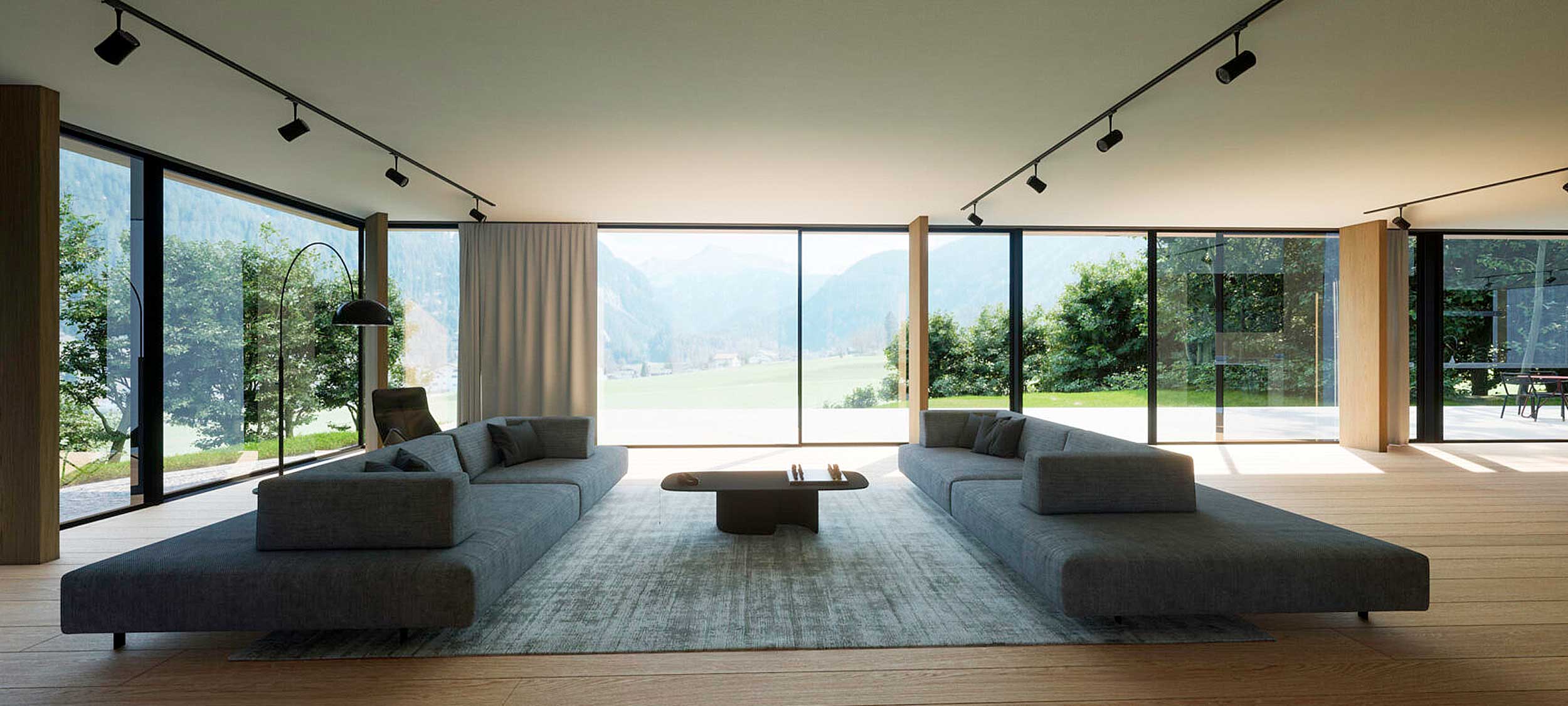
Explore our showcase for some inspiration for your next creation.
Inspiration
Elevate your vision and discover the perfect spark for your project. Explore our showcase of exceptional doors and windows for unparalleled inspiration.
Case Studies
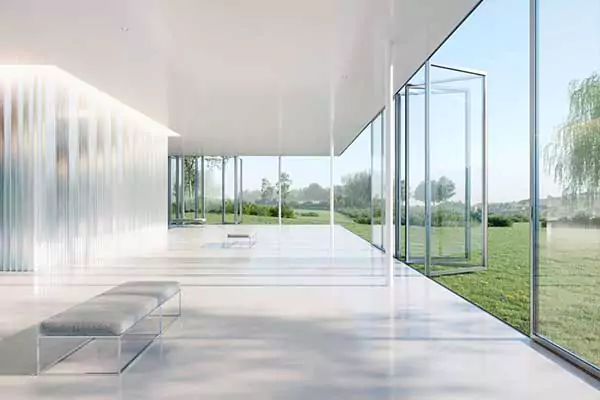
Step into our realm of real-life case studies, unveiling projects we've brought to life for customers just like you.
FAQs - Composite v Standard Windows
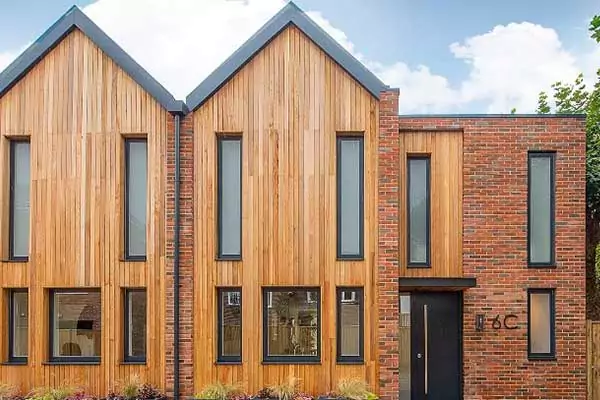
A composite window (like those from Internorm, Rationel, or VELFAC) features a core structural frame made of wood, clad externally with a protective sleeve of aluminium. The key advantage is the "best of both worlds" principle. You get the natural warmth, superior insulation, and premium aesthetic of wood on the interior, combined with the weatherproof, zero-maintenance, and durable strength of aluminium on the exterior. It eliminates the traditional downsides of standalone materials.
Composite (Timber/Alu): Very low maintenance. The interior wood may need occasional repainting or oiling every 8-12 years, but the exterior aluminium requires only occasional washing with soap and water. No painting, warping, or rusting.
uPVC: Extremely low maintenance. Just cleaning. However, it can become brittle and discolour (yellow or chalky) over decades, especially in strong sunlight, and cannot be repainted to a high standard.
Aluminium (Full): Low maintenance. The powder-coated finish is durable but can be scratched or dented. It won't rot or rust, but the finish may eventually degrade and require refinishing after 20+ years.
Composite (Timber/Alu): Excellent choice. The aluminium cladding acts as a complete shield against salt spray, driving rain, and UV rays, protecting the vulnerable wood core. This makes it ideal for exposed locations.
Aluminium (Full): Also excellent. Highly resistant to corrosion (especially with good powder coating), salt, and weather. Its strength withstands high winds.
uPVC: Good, but with caveats. It resits salt corrosion well, but prolonged UV exposure can accelerate fading and potential weakening of the material in very harsh climates.
Composite (Timber/Alu): Often the top choice. The interior wood can be stained or painted in any colour to match historic interiors authentically, while the exterior aluminium can be powder-coated in a wide range of colours to complement the building's facade without compromising performance.
uPVC: Limited. While available in many colours and woodgrain effects, it rarely achieves the authentic, deep profile and feel of real timber, and its sightlines are often thicker.
Full Aluminium: Modern aesthetic. Can be colour-matched but offers a distinctly contemporary, slim-profile look that may not suit traditional architectural styles without careful design.
It's an investment justified by long-term value:
Composite Windows: Highest upfront cost, but offers the greatest long-term value. Combines premium aesthetics, excellent energy efficiency (from the wood core), extreme durability, and low maintenance. It enhances property value and has a very long lifespan (often 40+ years).
uPVC Windows: Lowest upfront cost. A budget-friendly, effective solution with good insulation. However, its lifespan may be shorter (25-30 years), it can look less premium, and it may not add as much to resale value.
Full Aluminium Windows: Mid-to-high upfront cost. Offers sleek modern design and strength but can be prone to condensation (unless thermally broken) and may not insulate as well as composite. Value is in its aesthetic and durability.
Verdict: If budget allows, composite windows are considered the premium residential solution, balancing performance, longevity, and aesthetics where uPVC prioritizes cost and aluminium prioritizes modern style and structure.