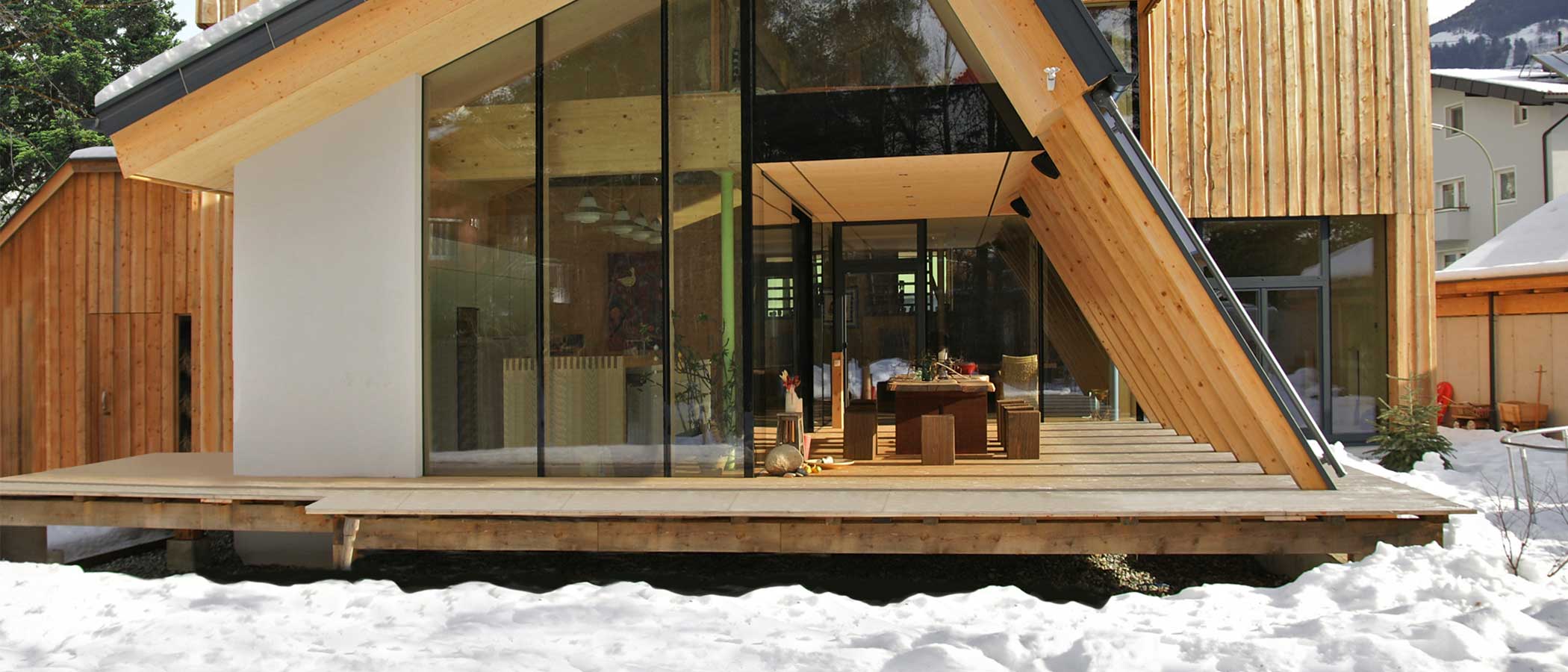
Passivhaus
Crafting homes for ultimate comfort with minimal environmental impact.
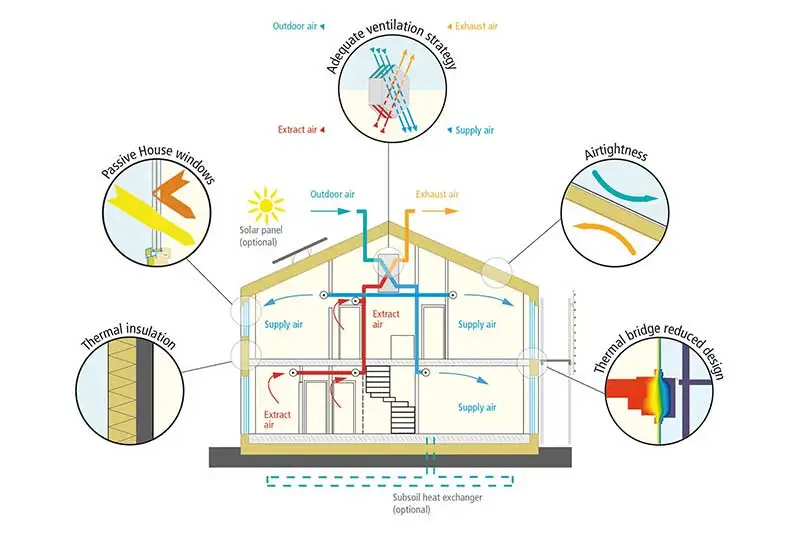
EnerPHit
Transforming existing buildings into sustainable havens of comfort.
Architects and Specifiers
Partner with us to turn your architectural visions into reality.

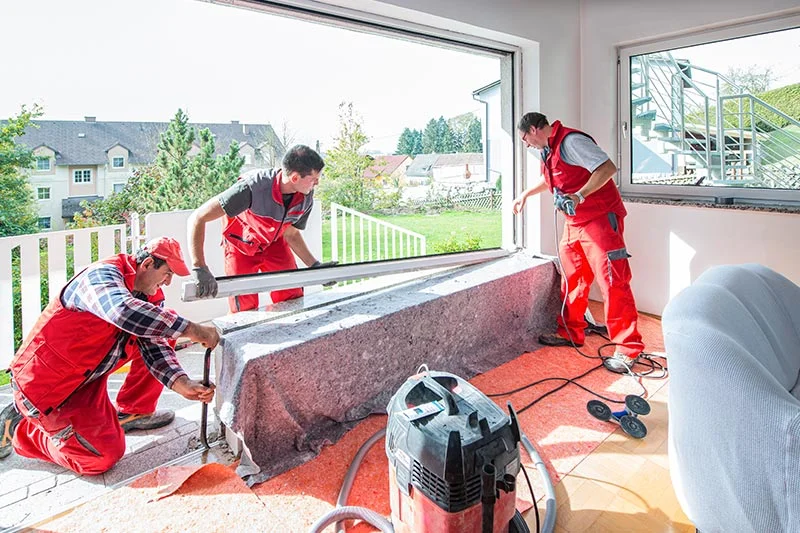
Builders & Construction Professionals
Dedicated support and collaborative solutions for your building needs.
FAQs - Triple vs Double
The core difference is the number of glass panes and insulating air gaps. Double glazing has two panes of glass with a single sealed air or gas-filled space (cavity) between them. Triple glazing incorporates three panes of glass, creating two separate sealed cavities. Each cavity is typically filled with an inert gas like argon or krypton and contains a spacer bar with a moisture-absorbing desiccant. This extra pane and cavity are what create the significant jump in insulation and performance.
Triple glazing can be 40-50% more insulating than standard double glazing. Measured by the U-value (where lower is better), a good double-glazed unit might be around 1.2 W/(m²K), while a triple-glazed unit can achieve 0.6 or lower. In the home, this translates to: Warmer inner glass surfaces: Eliminates "cold spots" and downdrafts near windows. Reduced condensation: Significantly lower risk of condensation on the interior glass, which helps prevent mold. Enhanced comfort: Rooms feel more uniformly comfortable, even on very cold days. The energy savings are most pronounced in colder climates, large window installations, or in passive house designs.
They can be, but it's not automatic. The extra mass and pane do help, but for significant noise reduction (e.g., from traffic or airports), the specific acoustic glazing specification is more important than the pane count alone. A well-designed double-glazed unit with different glass thicknesses and a wide cavity can outperform a standard triple-glazed unit for sound. For the best noise control, look for windows marketed with an acoustic rating (Rw) rather than assuming triple glazing is always the solution.
The main considerations are: Higher Cost: Typically 20-35% more expensive than comparable double-glazed units due to extra materials and complexity. Increased Weight: The frames and hinges must be heavier-duty to support the weight, which can be a factor in very large installations or older homes. Slightly Reduced Light Transmission: The two additional glass surfaces can allow minimally less visible light through (often less than 5%), though this is usually imperceptible. Potential Overkill: In milder climates or for south-facing rooms that benefit from solar heat gain, the higher upfront cost of triple glazing may have a very long payback period.
Triple glazing is a highly recommended investment in these scenarios: Cold Climates: If you experience long, harsh winters, the superior insulation pays dividends in comfort and energy savings. Room-Specific Needs: For rooms where you want ultimate quiet (home office, bedroom facing a road) or where condensation is a persistent problem (kitchen, bathroom). Energy-Efficient Builds: Essential for meeting the standards of Passive House, Net Zero, or other high-performance building codes. Large Glass Areas: Great rooms with walls of glass or large sliding doors benefit immensely from the reduced heat loss. Future-Proofing: If you plan to stay in your home long-term, triple glazing is a premium upgrade that adds comfort, value, and resilience against rising energy costs.